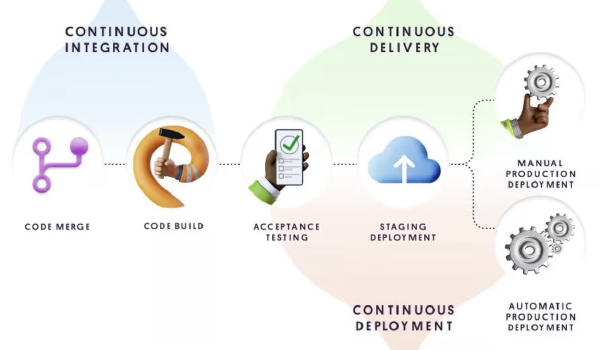
Also known as the Platform Engineer / Automation Engineer / DevOps Engineer
The following is insight into these roles from Tom O’Neill, former Build Engineer at Romero Games, and currently Senior Automation & Tools Engineer at HundredStar Games.
General Sentiment/Overview # These roles would be considered the most adaptable and transferrable skill-sets to have when it comes to software development in general, and is the backbone of the games development process.
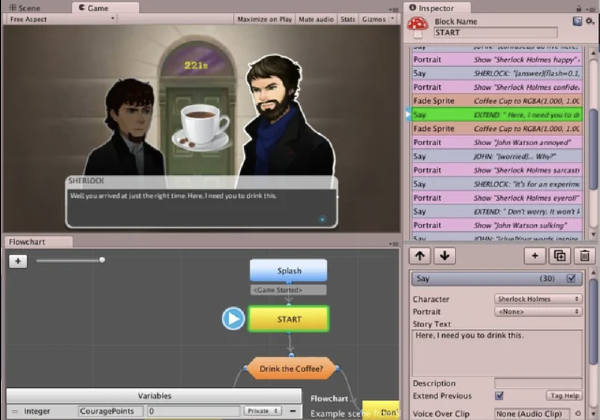
Overview # The Tools Programmer builds the tools that the artists, writers, and designers use to build the game.
Wait, doesn’t the game engine already do that for you? Well, yes and no. A Game Engine is a suite of tools that covers the basics of what you should need when building a game, but its impossible to make a set of tools that are tailored to suit every game being developed, and that’s where the tools programmer comes in.
The following is primarily input and advice from John O’Kane, a principal software engineer with years of animation programming experience, with my contributions sprinkled throughout. Enjoy.
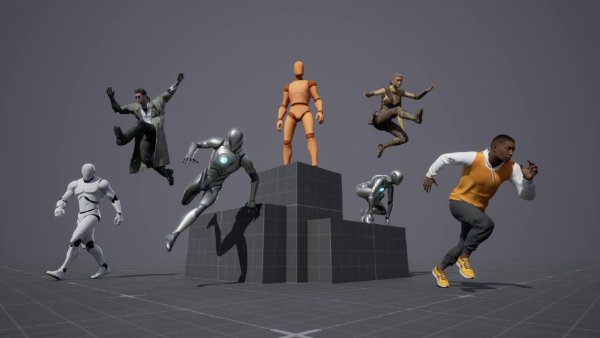
Overview # An animation programmer’s primary role is to take a character (or object) design and provide the code and systems that will bring it to life.
This means a lot of talking with everyone involved:
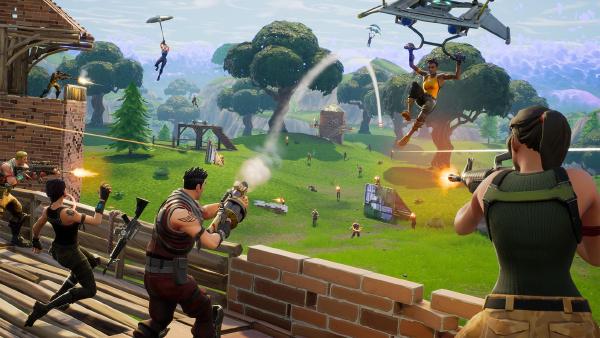
Overview # The Multiplayer Programmer’s job is to make sure the game works reliably across a network. From setting up lobbies and matchmaking, to supporting the shared experience of all players over the course of a match.
I’ve asked Peter Romanovsky, who was the Principal Multiplayer Programmer at Romero Games, to provide his insight into the role.
Pros # Why might a student want to pursue this role?
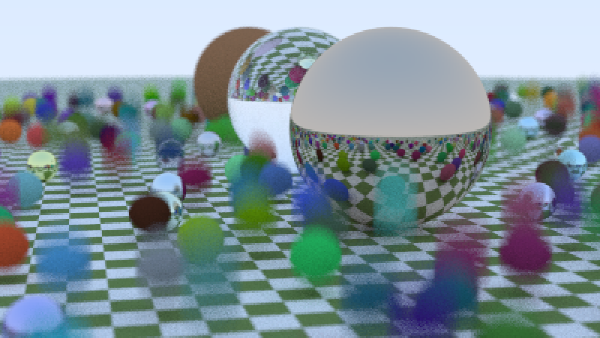
Overview # The Graphics Programmer/Rendering Programmer is responsible for making the game look as good as it possibly can, while also making sure its within the performance budget for the target hardware. This involves working closely with artists to understand the target look and quality of the game, and working to find computationally cheaper solutions that still maintain that level of quality.
For advice on this role I reached out to Joseph Greaney, Senior Audio Programmer at Black Shamrock. The following is his insight and advice on Audio Programming for Games.
What is a Game Audio Programmer? # When a sound plays we need to know “What Why When Where and How?”
A sound designer might say, “A splash sound plays at the player’s foot when they step into a puddle.” Our job is to make sure it works as expected.
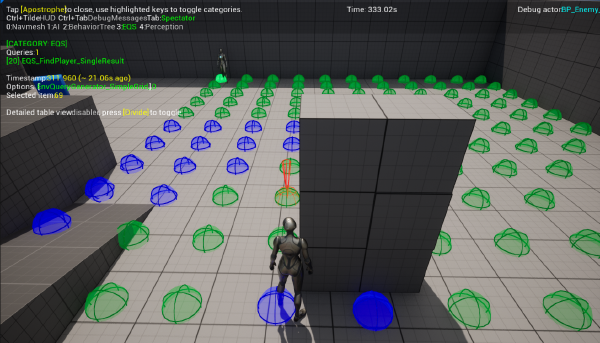
Overview # The Role of an AI Programmer is to work closely with Design and Animation to breathe life into characters that make the world come alive.
Not to be confused with LLMs or Gen-AI. To achieve this, an AI Programmer will develop systems for Enemies, Allies, and other NPCs (Collectively, “Agents”). The game will often need systems for:
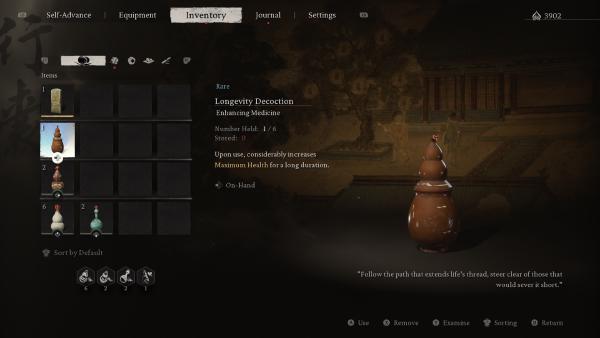
Overview # The UI Programmer works closely with Design and UI Artists, and is responsible for any and all user interfaces seen in the game. This can include,
Start Screen and start game flow Settings Screens The Player HUD Weapon reticules Enemy, Item Indicators Inventory Screens Minimaps Quest/Mission logs And any other screens or widgets you can think of.
Overview # The Gameplay Programmer is the “Swiss Army Knife” of Game Dev Engineering Roles. While other roles keep to a specialization, the gameplay programmer is defined by its lack of specialization, opting to go wide over deep to bring the other pieces together.
As a Gameplay Programmer, you could find yourself working on,
Player Movement Abilities Tutorial Systems Quest Systems Combat Systems Game Economy Systems Inventory Systems, Weapons and Items Just to name a few.
Getting into Game Development # I was approached to do a student talk at the University of Limerick for students of the Games Development course. For context, it’s a computer science/engineering course with a focus on games development. I’m an alumni myself, graduating in 2019, and have been working in games since then.
I asked myself what kind of advice I would give my past self when starting on this road. There’s a mountain of skills to learn, technical skills, time management, collaboration, and more. As a student you’re relying on the course structure and modules to provide you with the direction you need, but as great as the course was, for me it was missing one thing.