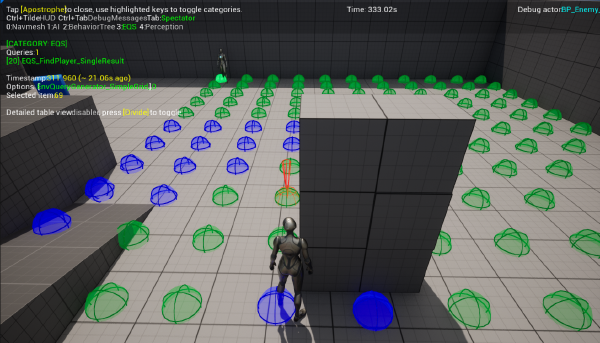
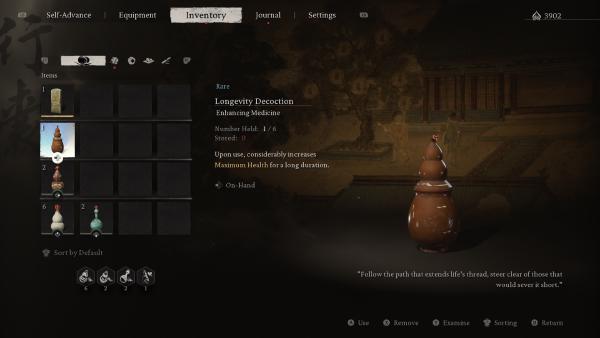
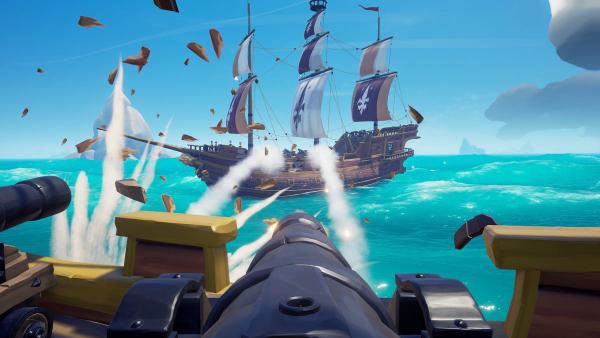
For advice on this role I reached out to Joseph Greaney, Senior Audio Programmer at Black Shamrock. The following is his insight and advice on Audio Programming for Games.
What is a Game Audio Programmer? #
When a sound plays we need to know “What Why When Where and How?”
A sound designer might say, “A splash sound plays at the player’s foot when they step into a puddle.” Our job is to make sure it works as expected.
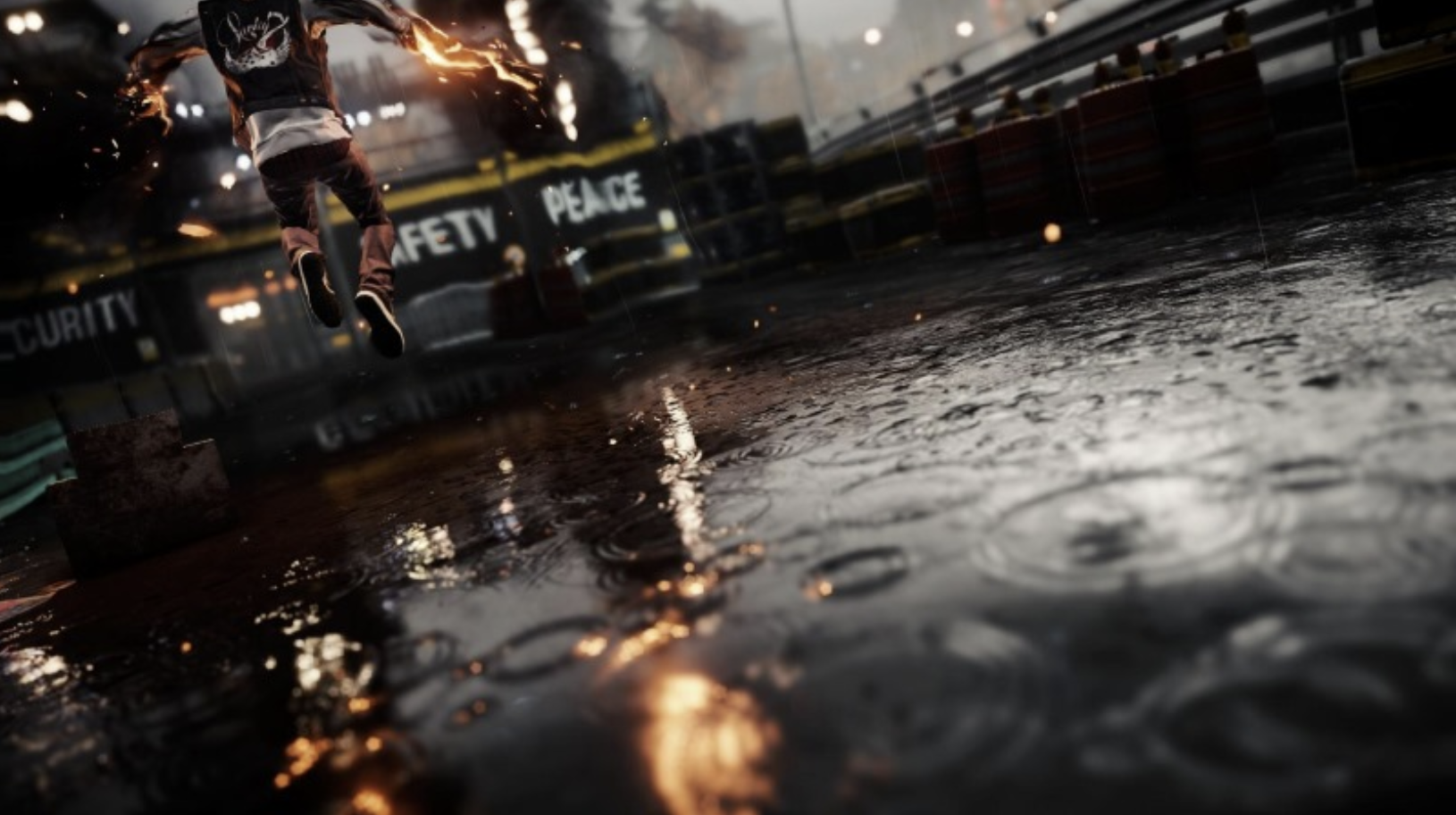
What? #
We have 8 splash sounds effects in the game corresponding to the player footstep. How do we choose which .wav file to play?
⚙️ Audio Engine, File Management, Gameplay
Why? #
We play the splash because the player stepped in a puddle - How do we know that? What systems do we write to get that information to the audio engine?
⚙️ Physics and Materials, Player Movement
When? #
We need to know when the player’s foot touches the puddle?
⚙️ Animation Systems, Inverse Kinematics
Where? #
Sounds should be quieter when they’re far away, what if the player is in an echoey cave? Or a dense forest?
⚙️ Attenuation, Acoustics
How? #
Who tells the audio system to play the sound? How do these systems interact without creating dependencies?
⚙️ Gameplay Code, Systems Programming
More Questions #
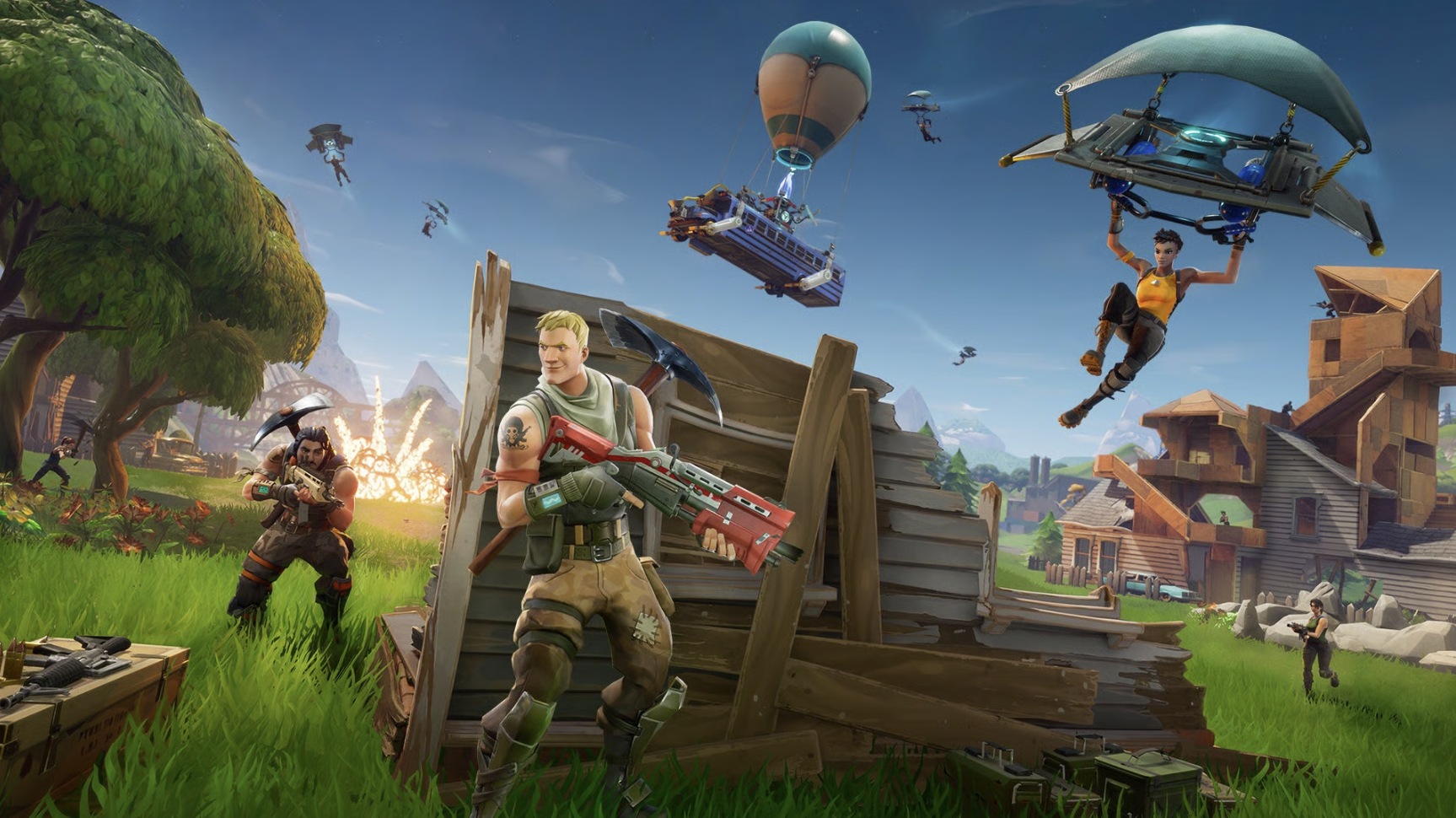
Now let’s say we’re working on Fortnite and we have 100 players in multiplayer.
- Should we play sounds that are far away?
- What if they’re so far away we wouldn’t hear them?
⚙️ Optimization, Networking
- What happens if everyone is moving within hearing range?
- Should we hear every splash?
⚙️ Voice Limits & Stealing
- Are some footsteps more important than others?
- Should we even hear footsteps if we’re getting shot at?
⚙️ Mixing
New Problems #
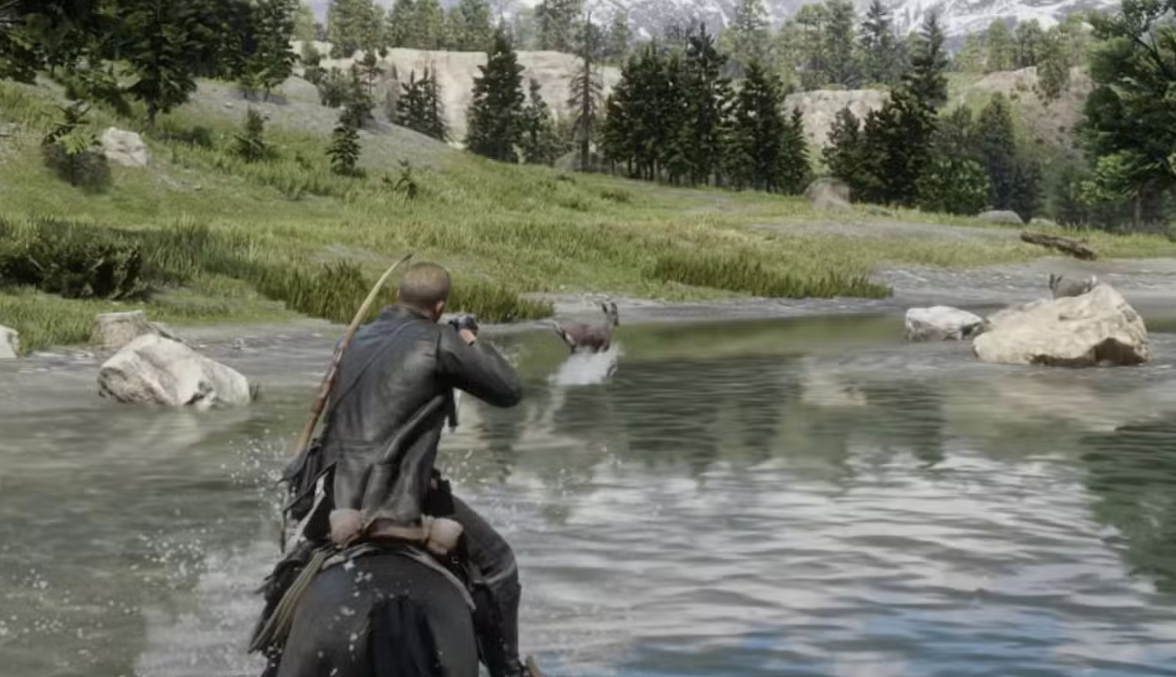
The game director comes to the gameplay team and says players can ride horses now. Of course the horses footsteps should also splash!
- How do you engineer systems that make it easy to be flexible?
- How can you let the sound design team work without having to modify code?
Uh oh, the horse footstep splashes work on PC but don’t make any sound when playing on PS5! It’s your job to figure out why and come up with a solution for how to fix it.
⚙️ Platform Debugging
In Summary #
Game Audio Programming is about working with everyone on the team to make sure that the game sounds as good as possible. This means working on low level engine code one day, and hooking sounds up to UI on another.
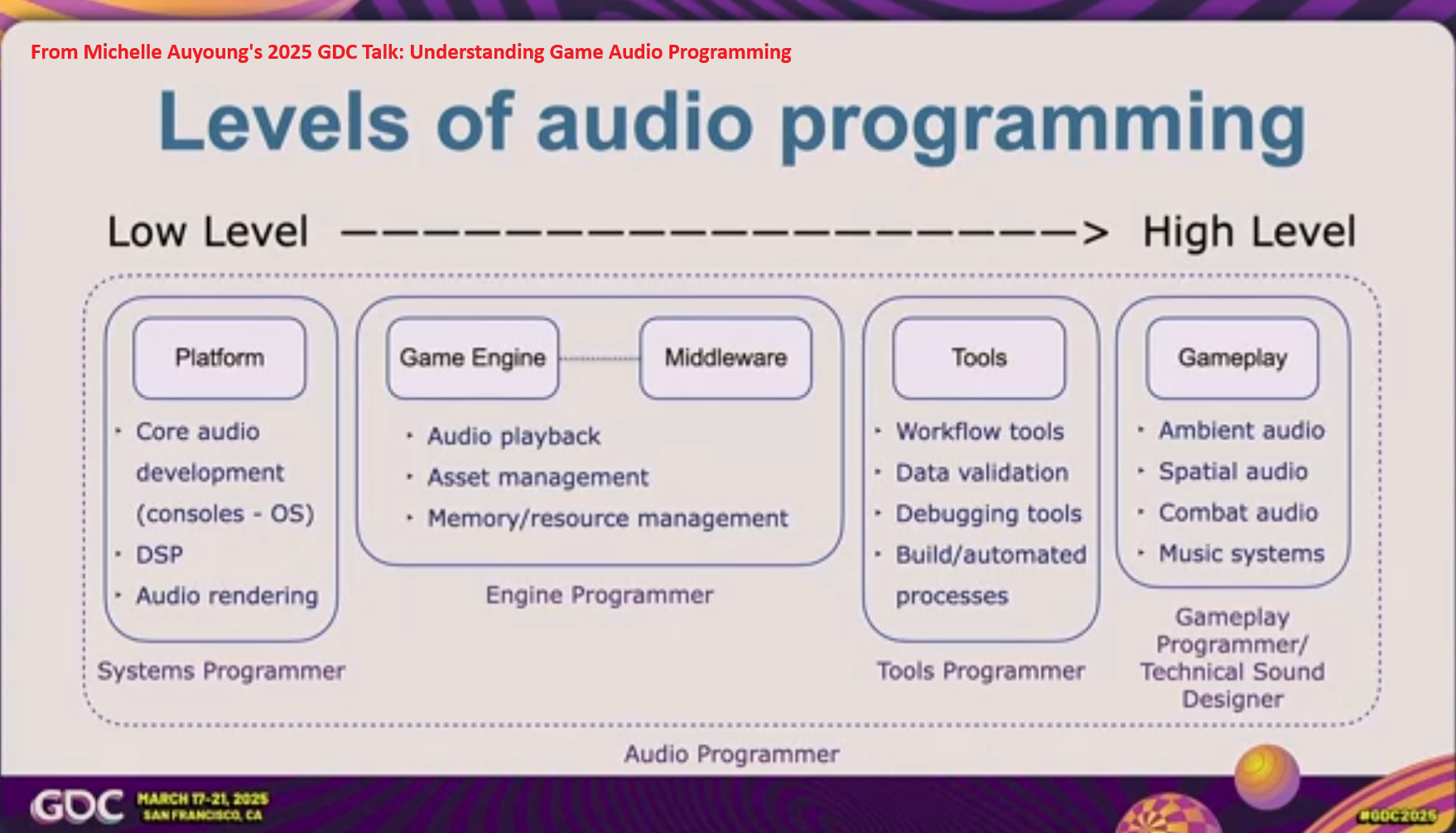
This is a slide from Audio Programmer, Michelle Auyoung’s 2025 GDC Talk: ‘Understanding Game Audio Programming’. This just got added to the GDC Vault for paid members, but keep an eye out for it coming to YouTube for free in the next year or so. It’s a great introduction to audio programming in games, and this slide really breaks down all the responsibilities of being a game audio programmer.
It’s not all perfect #
Audio often comes last in the cycle of game development, so you will need to be reactive to other people’s changes, and proactive in trying to get ahead of what the rest of the team are working on.
You will more than likely be working with middleware like WWise or FMOD. These are often 3rd party closed source solutions, and come with their own quirks and flaws. Often you’ll be writing your own workarounds to some frustrations you or the team might have.
It can be expensive to find sound effects for your games to practice with… so here are some resources:
- Free Sound - Check each sounds license to make sure it’s available to use for your project!
- GDC Game Audio - GDC released a huge pack of sounds here over the years and still updates every now and then. These are limited but good quality.
- Kenny does audio now!
- Reaper FM is an industry standard DAW(Digital Audio WorkStation) and has a $60 dollar lifetime license for personal projects.
- Alternatively ask your university if they have any DAW licenses like protools available.
- Make your own! Just record them on your phone and edit them in Audacity.
But the Pros are #
- You get to work with a wide range of disciplines.
- The work is both high and low level.
- You can hear changes as you work on them.
- Audio Programming is a niche and in-demand skillset.
- You get to solve interesting problems.
Examples of Audio Programming #
- Raytraced Audio
- Coding Music
- Project Acoustics
- Procedural Music with UE5 and Metasounds
Learning Resources #
- Start here: Lessons Learned from a Decade of Audio Programming
- Think DSP by Allen B. Downey
- The Game Audio Programming series by Guy Somberg
- The Audio Kinetic Blog
- AudioKinetic make WWise, but have good resources that apply to all kinds of game audio
- AirWiggles