Getting into Game Development #
I was approached to do a student talk at the University of Limerick for students of the Games Development course. For context, it’s a computer science/engineering course with a focus on games development. I’m an alumni myself, graduating in 2019, and have been working in games since then.
I asked myself what kind of advice I would give my past self when starting on this road. There’s a mountain of skills to learn, technical skills, time management, collaboration, and more. As a student you’re relying on the course structure and modules to provide you with the direction you need, but as great as the course was, for me it was missing one thing.
It was missing a north star.
“Game Development” is a huge field with multiple disciplines. “Programmer” narrows it down, but even within that there are vast differences between different kinds of programmers. In today’s job market, you can’t rely on a studio hiring you with just the basics out of college and training you into that specialization.
My Career in Games #
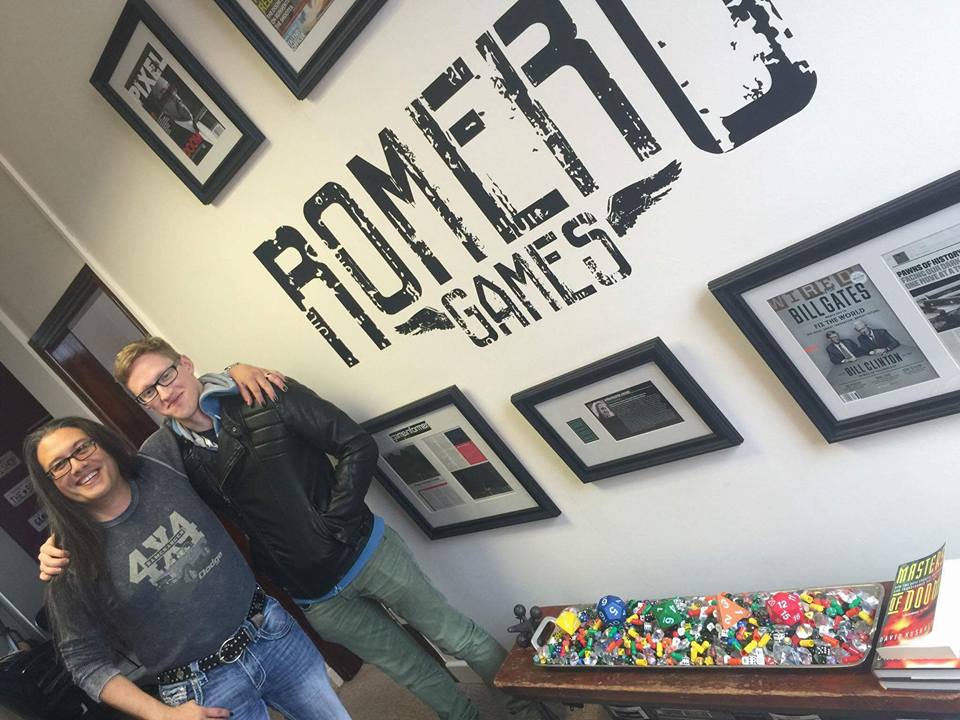
I got the rare opportunity to begin my career in games halfway through completing my degree. I got lucky and had Brenda Romero as my lecturer. I interned at Romero Games one summer and was hired the next year, only two years into my study. I completed my degree while working 3 days a week in the office. That opportunity gave me the insight into the practical application of all the material I was studying, taking design patterns I was learning one day on campus and then finding ways to use them the same week in the office.
But that’s not the experience that other students will have, and in a different timeline I wouldn’t have had that opportunity either.
So coming back to “What advice would I give myself?”: get to know what programming roles are available in game dev, find what suits you, and pursue that specialization.
Why Specialize? #
At the point when you graduate and enter the job market, you’re competing with every other graduate for a small number of entry level roles. If you want to compete, you need to stand out. If you want to stand out, you need to show more than just the basic level of graduate skills in the role you’re applying for, and its difficult to do that for every role.
So here’s the strategy, find a specialty that clicks for you. While you’re doing your course, find a way to apply the projects and study you’re doing to that specialization. Now on entering the job market you’re miles ahead of similar applicants for those same roles.
What do I specialize in? #
So that’s the big question and what I’ll be talking about, ‘Engineering specializations within games development’. By digging into these specializations I hope students will
- Get a taste of the career paths available to them.
- Determine a north star to focus their efforts towards.
- And add context for the modules they’ll be taking.
I’ve reached out to 10 former colleagues for advice on 10 common programming roles in games:
- Gameplay Programmer
- UI Programmer
- AI Programmer
- Audio Programmer
- Graphics Programmer
- Multiplayer Programmer
- Animation Programmer
- Tools Programmer
- Build Engineer
- Online Services Programmer (Ended up being too much content for the talk so this role ended up being dropped. If in the future I end up doing a followup talk on more roles like Engine Programmer and Data Scientist I might see about including this one!)
Together we’ll be breaking down each one, providing advice on student projects, resources, and the pros and cons as to why a student might want to pursue each one.
I’ll be going over all 10 of these fairly quickly in my 1 hour talk, but I’m going allow the space to elaborate more by turning this talk into a series of articles starting with this intro.
What about non-programming roles? #
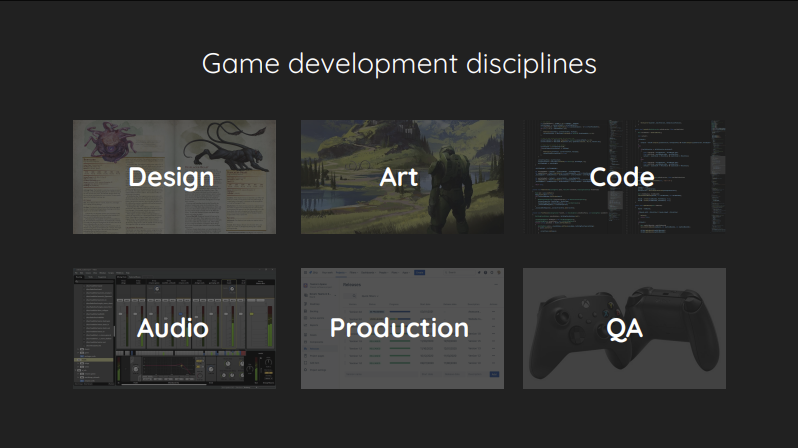
As this talk is tailored for students of the engineering focused Games Development Course at UL, I decided to keep the focus on those type of roles. Keith O’Conor, CTO of Romero Games, has done an excellent talk about what you can expect from a career in games, including an overview of multiple disciplines outside of programming. Highly recommend checking that out.